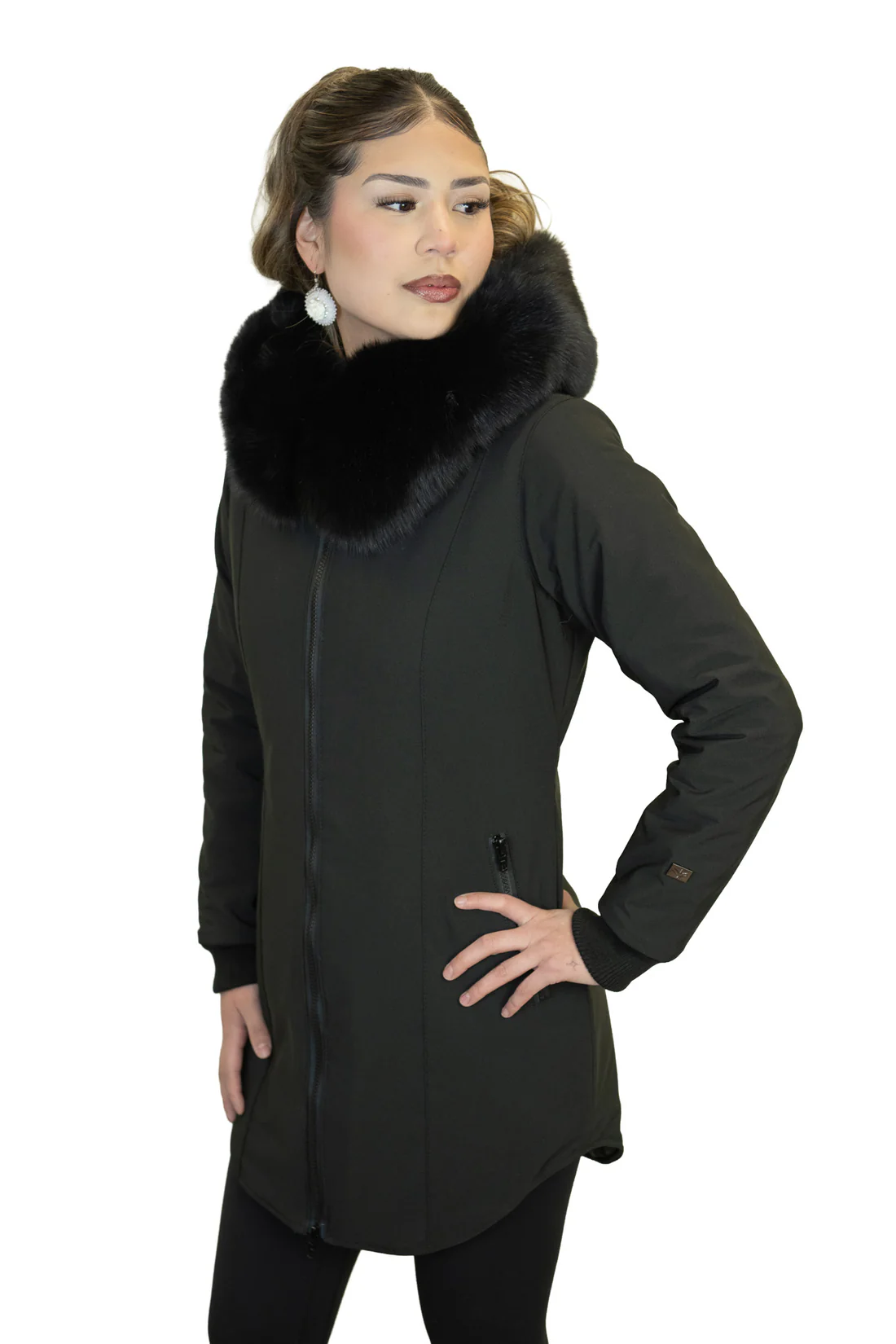
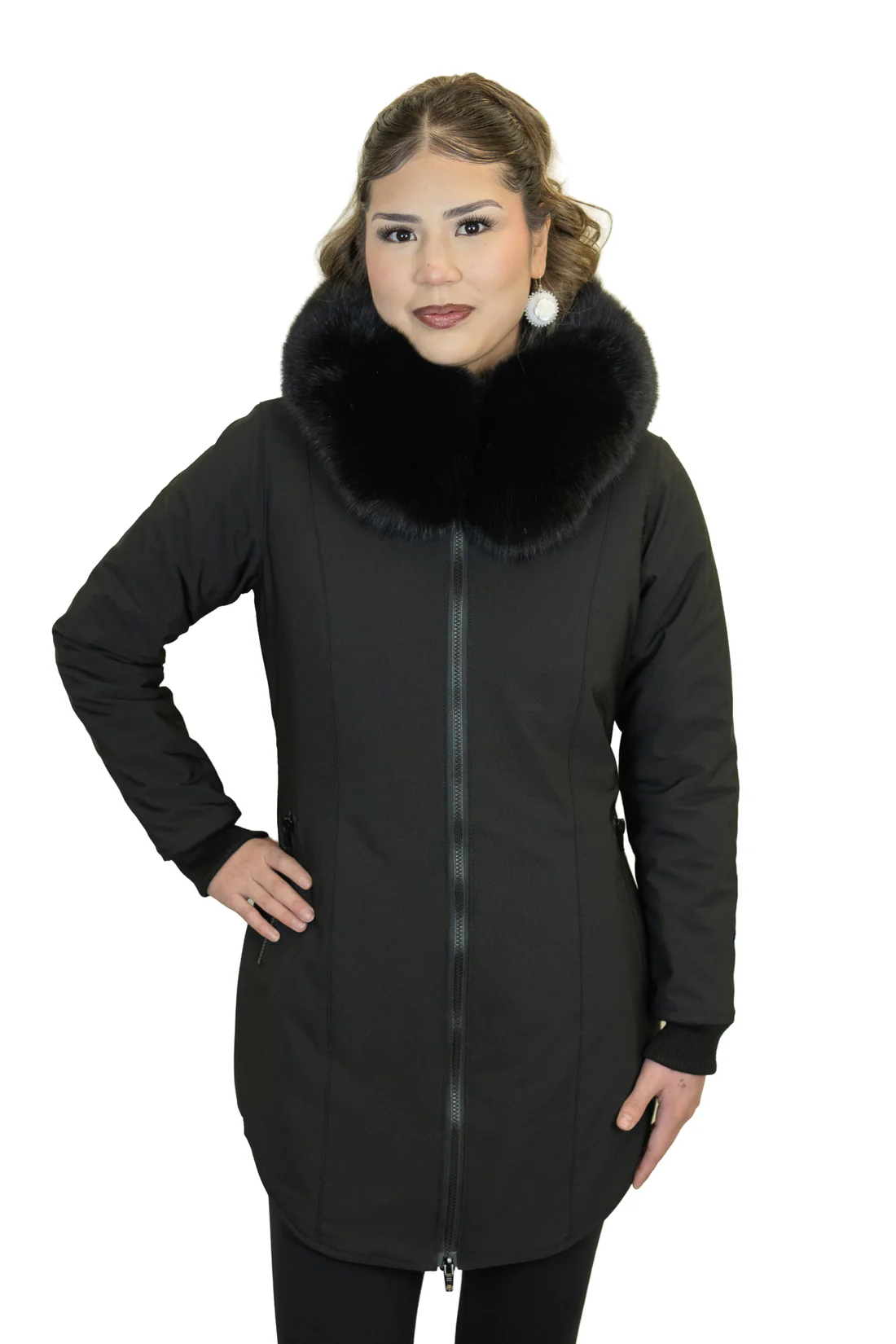
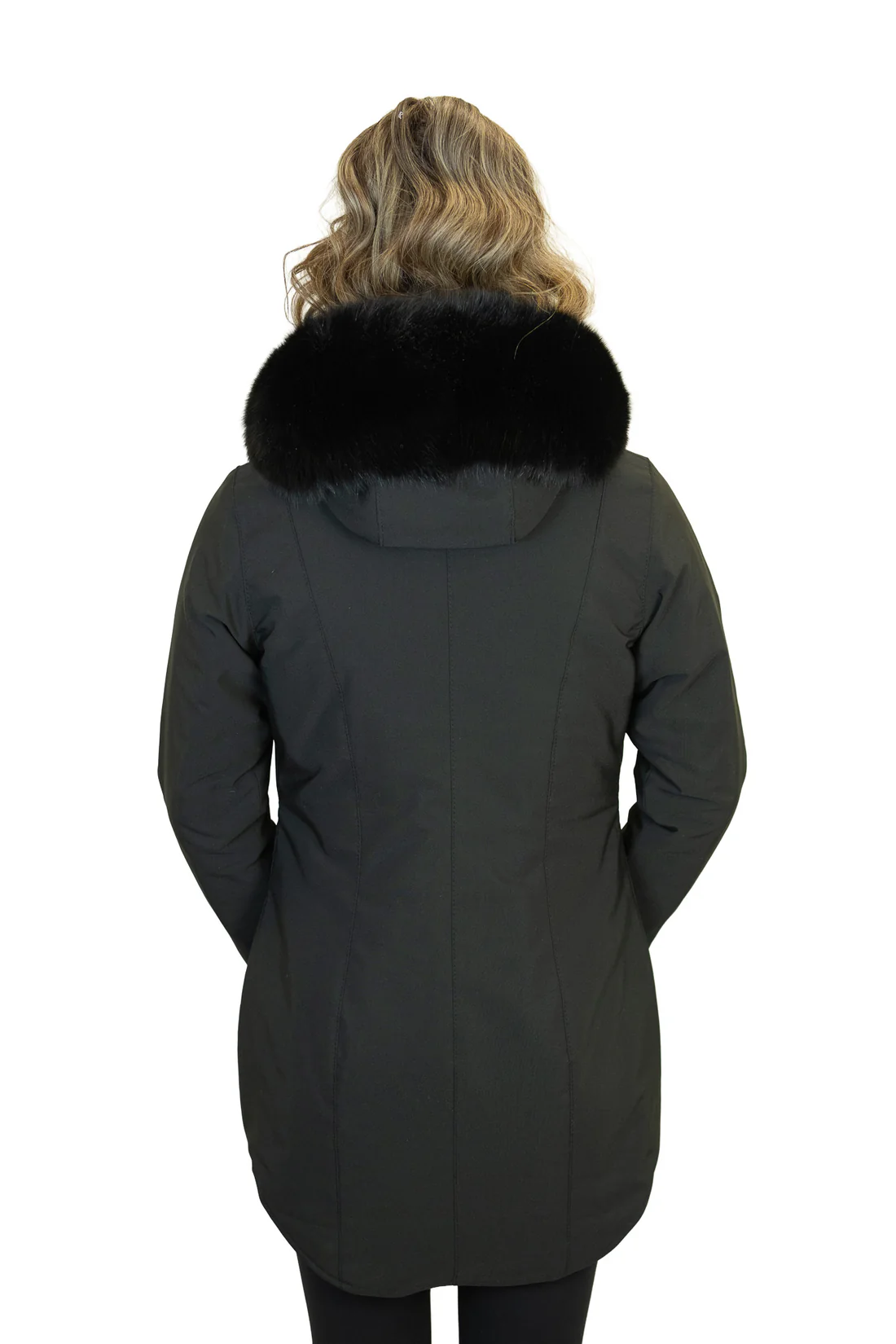
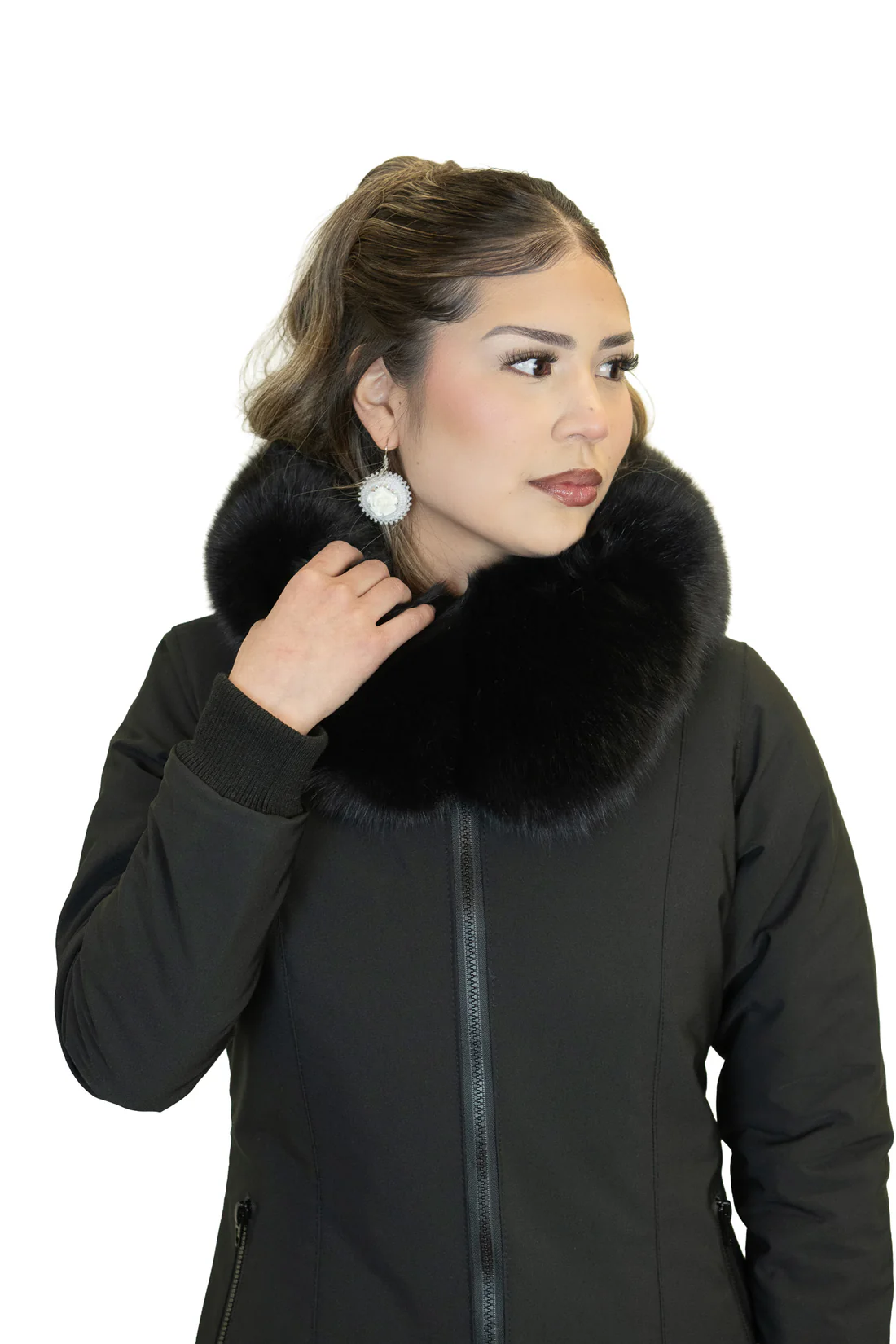
Description
Inuit Clothing: Tradition, Materials, and Modern Influence
Inuit clothing is one of the most remarkable examples of human adaptation to extreme environments. Designed to withstand the harsh Arctic climate, traditional Inuit clothing combines functionality, craftsmanship, and cultural identity. Today, it continues to inspire modern fashion and sustainable design.
What Is Inuit Clothing?
Inuit clothing refers to the traditional garments worn by the Inuit people of the Arctic regions, including parts of Canada, Greenland, and Alaska. These clothes are specifically designed to provide warmth, protection, and mobility in freezing temperatures, often below -40°C.
Unlike modern winter gear, Inuit clothing is made primarily from natural materials such as animal skins and fur, which offer superior insulation and breathability.
Traditional Materials Used in Inuit Clothing
The effectiveness of Inuit clothing comes from the materials used. Each material serves a specific purpose:
- Caribou skin: Known for its excellent insulation due to hollow hair fibers
- Seal skin: Water-resistant, ideal for outer layers
- Polar bear fur: Used in extreme conditions for maximum warmth
- Bird skins and feathers: Lightweight and insulating for inner garments
These materials are carefully prepared and sewn using traditional techniques passed down through generations.
Key Types of Inuit Clothing
1. Parka (Amauti and Atigi)
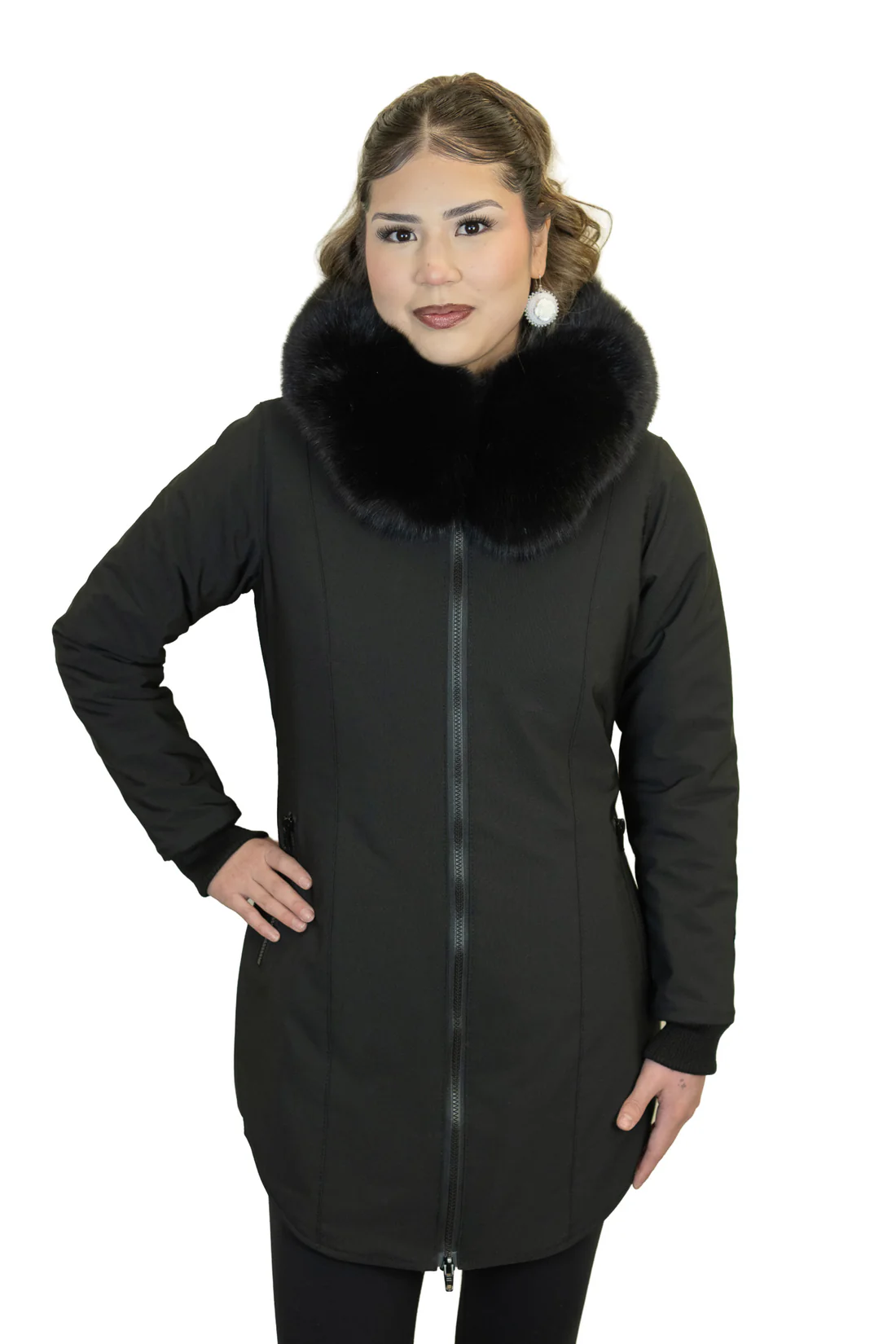
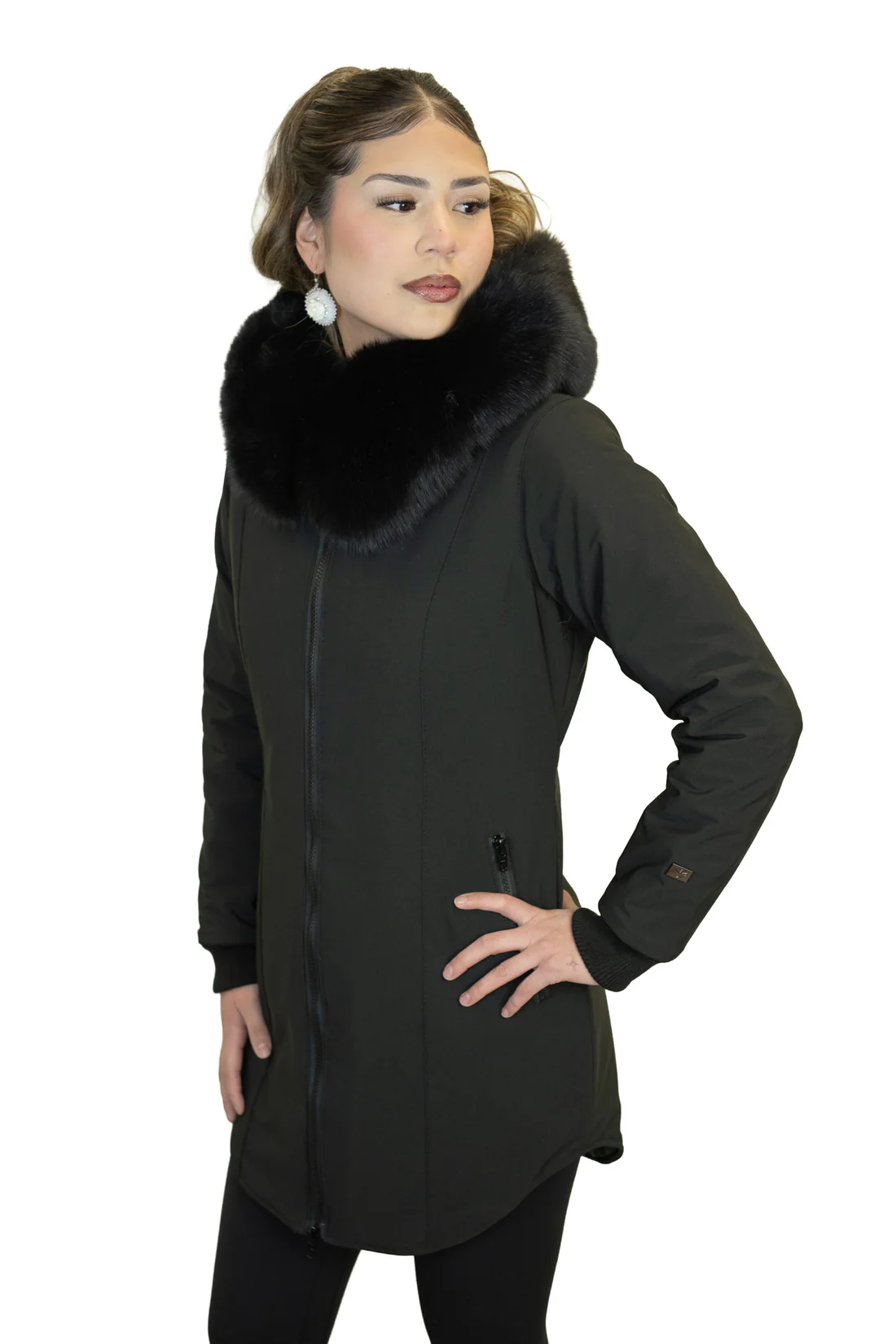
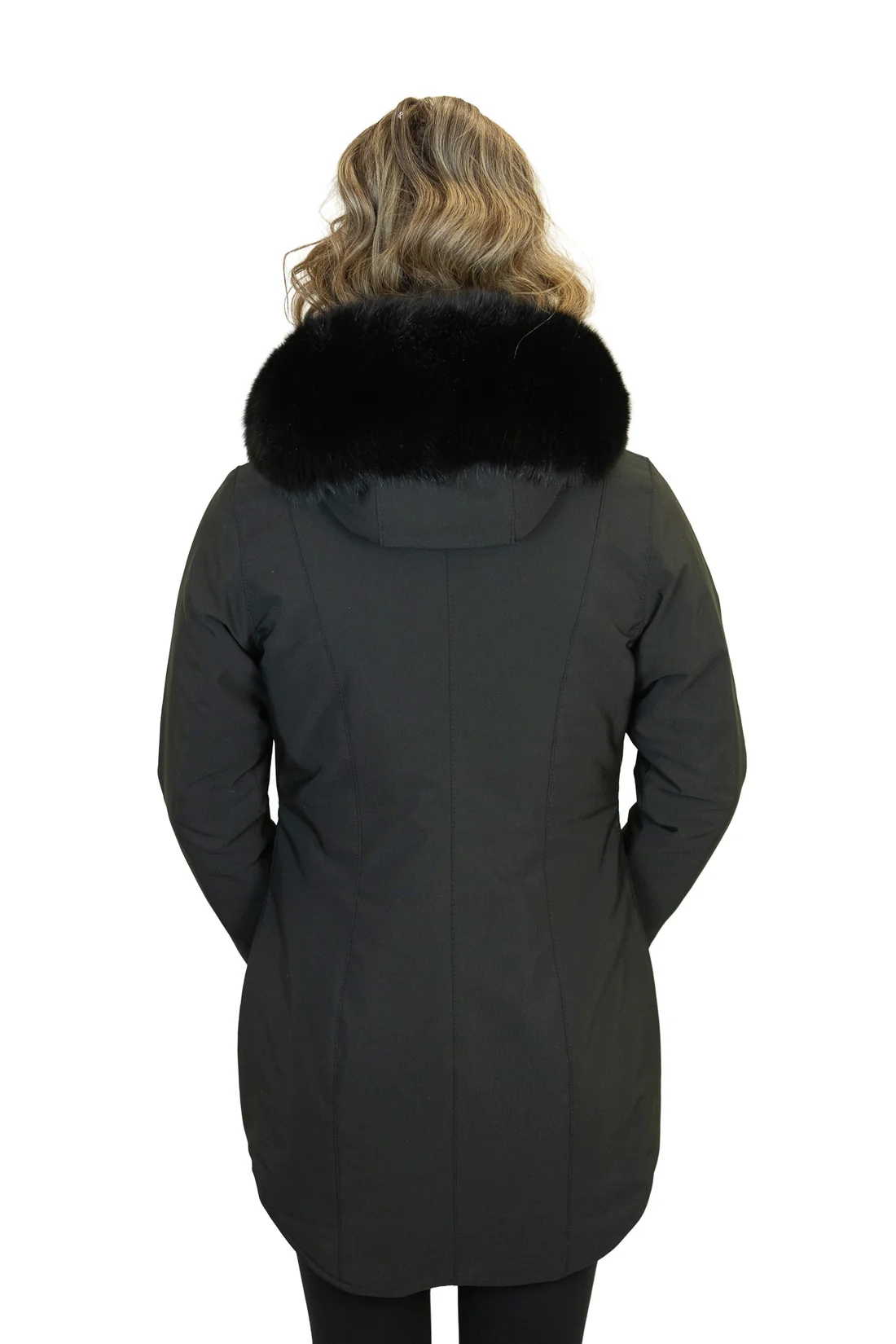
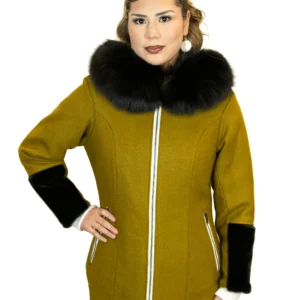
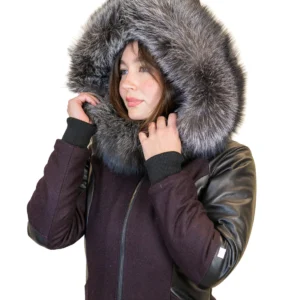
The parka is the most iconic piece of Inuit clothing. It is designed with a hood and often lined with fur for added warmth.
- Amauti: A women’s parka featuring a pouch for carrying babies
- Atigi: A general term for a pullover parka worn by men and women
2. Kamik (Boots)
Kamik boots are made from seal or caribou skin and are designed to keep feet warm and dry. They are lightweight, flexible, and perfect for walking on snow and ice.
3. Mittens
Inuit mittens are typically made from fur and are much warmer than gloves because they keep fingers together, preserving body heat.
4. Pants and Inner Layers
Layering is essential. Inner garments are often made from softer fur worn with the hair facing inward, while outer layers face outward for protection against wind and moisture.
How Inuit Clothing Keeps You Warm
The secret lies in layering and airflow control. Inuit clothing systems trap warm air close to the body while allowing moisture to escape. This prevents sweating, which can be dangerous in freezing temperatures.
The double-layer system—inner and outer garments—creates insulation that rivals or even surpasses modern synthetic materials.
Cultural Significance of Inuit Clothing
Inuit clothing is not just practical—it is deeply cultural. Designs, stitching patterns, and decorative elements often reflect identity, family, and regional traditions. Skills such as sewing and skin preparation are highly respected and traditionally taught within families.
Inuit Clothing in Modern Fashion
Today, Inuit clothing influences global fashion trends, especially in sustainable and functional design. Designers are increasingly looking to traditional knowledge for inspiration in creating eco-friendly winter wear.
However, it is important to respect Inuit culture and support authentic Indigenous creators rather than mass-produced imitations.
Where to Buy Authentic Inuit Clothing
If you’re interested in purchasing Inuit clothing, look for:
- Indigenous-owned brands
- Handmade or ethically sourced products
- Transparent information about materials and origins
Supporting authentic artisans helps preserve this important cultural heritage.
Conclusion
Inuit clothing is a perfect blend of tradition, innovation, and survival. Its design reflects centuries of knowledge about living in one of the harshest climates on Earth. Whether you’re interested in history, fashion, or sustainability, Inuit clothing offers valuable insights and inspiration.
By learning about and supporting authentic Inuit craftsmanship, we can help ensure that this unique cultural tradition continues for generations to come.
Reviews
There are no reviews yet.